Buyer's Guide
How to Use Power Banks Safely: A Comprehensive Guide
Jan
In today’s fast-paced, tech-driven world, power banks have become indispensable tools for keeping our devices charged on the go. Whether you’re traveling, working remotely, or simply navigating a busy day, these portable batteries offer convenience and peace of mind. However, improper use of power banks can pose safety risks, including overheating, short-circuiting, or even fires. To ensure your safety and prolong the lifespan of your device, follow these essential guidelines for using power banks responsibly.
1. Choose a High-Quality Power Bank
The foundation of safe usage begins with selecting a reliable product.
- Certifications Matter: Opt for power banks certified by recognized safety standards such as UL, CE, or FCC. These labels indicate compliance with rigorous testing for electrical safety, overheating protection, and performance.
- Avoid Counterfeits: Cheap, unbranded power banks often lack proper safety mechanisms and use inferior materials, increasing the risk of malfunctions. Always purchase from reputable retailers or directly from trusted brands.
- Check Capacity and Output: Ensure the power bank’s capacity (measured in mAh) and output voltage (e.g., 5V/2A) match your device’s requirements. Overloading or underpowering can damage both the power bank and your gadget.
2. Read the Manufacturer’s Instructions
Every power bank is unique. Before use, carefully review the user manual for specific guidelines on charging, storage, and maintenance. Pay attention to:
- Charging Cycles: Some models require an initial full charge before use, while others may have restrictions on how often they should be recharged.
- Temperature Limits: Avoid exposing the power bank to extreme temperatures (below 0°C or above 45°C), as heat or cold can degrade battery performance and safety.
- LED Indicators: Understand what the lights signal (e.g., low battery, charging in progress, or overheating alerts).
3. Use the Correct Cables and Adapters
The cables and adapters you use significantly impact safety and efficiency.
- Original Accessories: Whenever possible, use the cable and charger that came with your power bank. Third-party accessories may not meet safety standards or could deliver incompatible voltage/current.
- Avoid Damaged Cables: Frayed or exposed wires can cause short circuits, leading to overheating or fires. Replace damaged cables immediately.
- Match Connectors: Ensure the cable’s connector type (e.g., USB-C, Micro-USB, Lightning) matches both your power bank and device.
4. Charge and Store Properly
Improper charging habits are a leading cause of power bank failures.
- Avoid Overcharging: Unplug the power bank once it reaches 100% to prevent stress on the battery cells. Many modern models include auto-cutoff features, but manual monitoring is still advisable.
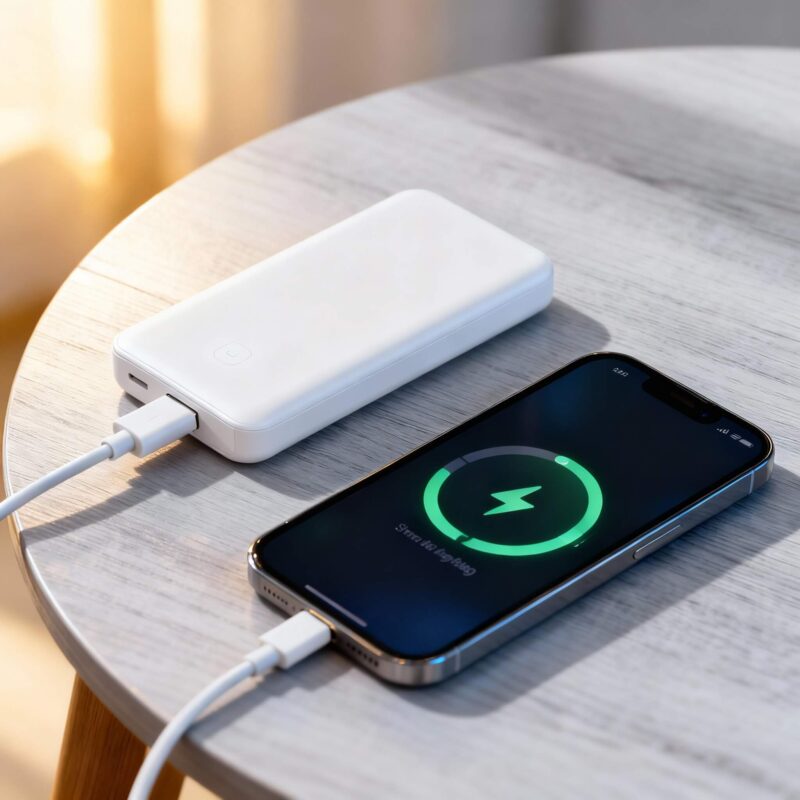
- Charge in a Safe environment: Place the power bank on a non-flammable surface (e.g., a table) while charging, away from bedding, carpets, or direct sunlight.
- Do Not Use While Charging: Charging and discharging simultaneously generates excess heat, increasing the risk of damage.
- Long-Term Storage: If storing the power bank for extended periods, charge it to 50%–70% capacity and keep it in a cool, dry place.
5. Handle with Care
Physical damage can compromise safety features.
- Avoid Drops or Impacts: Bumps or cracks may damage internal circuitry or the battery, leading to leaks or explosions.
- Keep Away from Water: Most power banks are not waterproof. Exposure to moisture can cause short circuits or corrosion.
- Do Not Disassemble: Opening the power bank voids warranties and exposes you to hazardous components like lithium-ion cells.
6. Recognize Warning Signs
Stay vigilant for signs of malfunction:
- Excessive Heat: If the power bank becomes unusually hot during use or charging, stop using it immediately and unplug it.
- Swelling or Leakage: A bulging casing or oozing liquid indicates internal failure. Dispose of the device safely (see below).
- Unusual Odors or Smoke: These are critical warnings of potential fire hazards. Move the power bank to a safe location and contact the manufacturer.
7. Dispose of Responsibly
Power banks contain rechargeable batteries that must be recycled properly.
- Do Not Throw in Trash: Lithium-ion batteries can explode if crushed or incinerated.
- Recycle at Designated Facilities: Many electronics stores or recycling centers accept old power banks. Check local regulations for guidance.
Conclusion
Power banks are valuable tools, but their safety depends on responsible usage. By investing in quality products, following manufacturer guidelines, and staying alert to warning signs, you can minimize risks and enjoy reliable performance for years to come. Remember: a few simple precautions today can prevent accidents tomorrow. Stay charged, stay safe!
